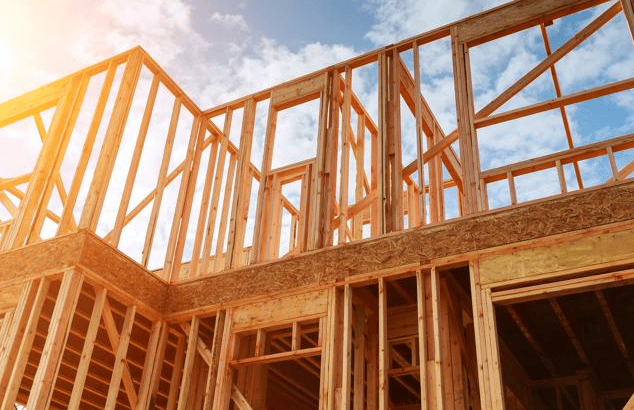
How can you reduce building costs when building a new home? Here are some thoughts.
1. Ditch the Garage....it's usually over 450sf of construction.
2. Be more flexible with materials choices. Fiber cement siding can give the appearance of wood siding, but at a lower price. A quartzite counter could be priced considerably less than some marbles.
3. Choose a construction site carefully: often an existing teardown structure allows for easier permitting and connecting to utilities. Usually you don't have to grade or clear the lot which saves time too.
4. Know what you want and like. Trust your architect. Keep the contractor involved in the design process. Changes and indecision add cost.
5. The more square the home, the more efficient.
6. Double-storey homes can be cheaper as they require smaller roofs and foundations.
7. Homes built on a slope can have a walk-out basement with windows and natural light or house a garage in an area you'd have to pay for regardless.
8. Shop around for materials and fixtures: prices vary dramatically. A faucet can cost $400 or $4,000.
9. Often people think they need far more square footage than they might actually use: design the interior of your home with scale furnishings....you may be able to shrink dimensions and achieve all you need.
10. Bathrooms should share a plumbing wall if possible.
11. Huge spans of glass can be beautiful but also energy-consuming to heat and cool.
(COMPASS)
1. Ditch the Garage....it's usually over 450sf of construction.
2. Be more flexible with materials choices. Fiber cement siding can give the appearance of wood siding, but at a lower price. A quartzite counter could be priced considerably less than some marbles.
3. Choose a construction site carefully: often an existing teardown structure allows for easier permitting and connecting to utilities. Usually you don't have to grade or clear the lot which saves time too.
4. Know what you want and like. Trust your architect. Keep the contractor involved in the design process. Changes and indecision add cost.
5. The more square the home, the more efficient.
6. Double-storey homes can be cheaper as they require smaller roofs and foundations.
7. Homes built on a slope can have a walk-out basement with windows and natural light or house a garage in an area you'd have to pay for regardless.
8. Shop around for materials and fixtures: prices vary dramatically. A faucet can cost $400 or $4,000.
9. Often people think they need far more square footage than they might actually use: design the interior of your home with scale furnishings....you may be able to shrink dimensions and achieve all you need.
10. Bathrooms should share a plumbing wall if possible.
11. Huge spans of glass can be beautiful but also energy-consuming to heat and cool.